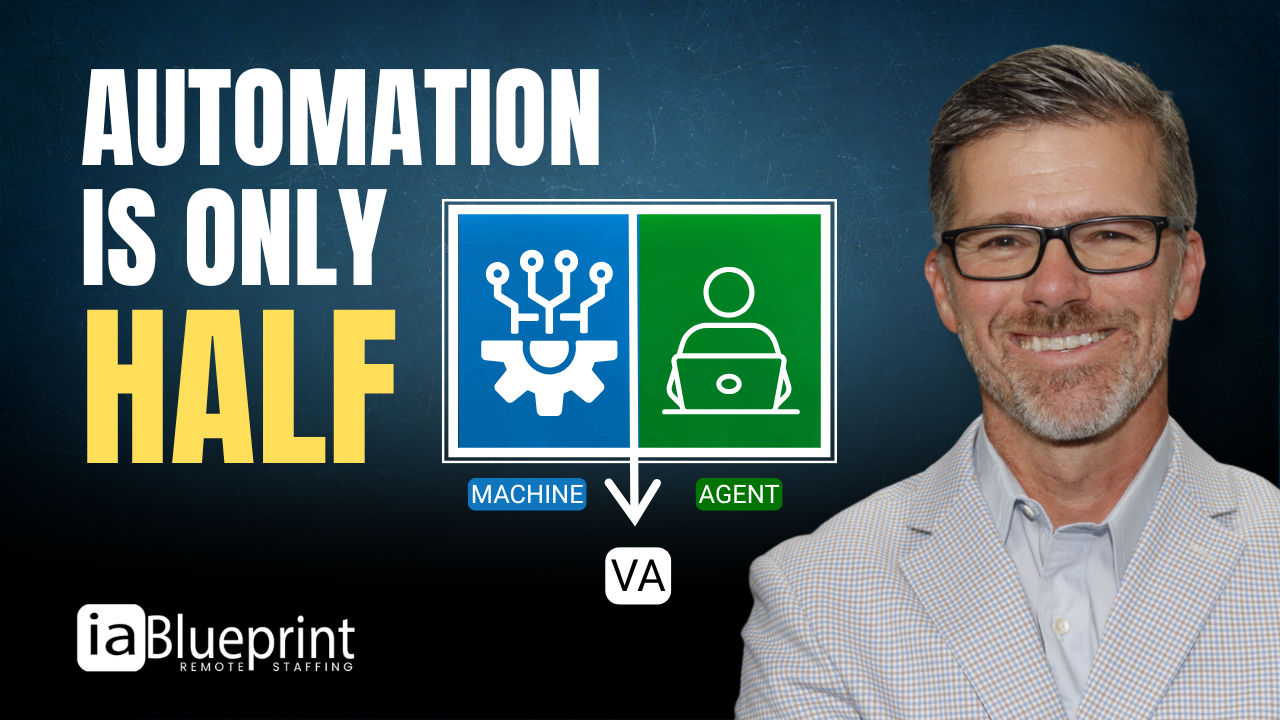
Automation, by itself, is half a machine.
Say you build it all, and it all works. The welcome emails go out — and clients reply with real questions. Who answers, same day?
At day thirty, the system fires a task on every new client: the check-in call from the writing agent. The system can fire that task forever — somebody still has to make the call. And when a Tuesday catches fire, guess which task slips first.
The renewal trigger flags a premium that jumped 22 percent — early, like it’s supposed to. Who runs the remarket, pulls the comparisons, preps the file so the agent walks in with options?
The cross-sell touch goes out and three monoline clients say “sure, quote the house.” Who builds the quotes?
Every automation that works creates human work. That’s not a flaw — it’s the point. The machine’s job is to surface the right conversation at the right time. A person still has to have it, and a person has to do the prep underneath it.
The trap: in most agencies, everything the automation surfaces lands on the same overloaded people who were behind before the automation existed. Replies sit. The day-30 calls don’t get made. Remarkets slip. And the owner decides automation doesn’t work.
Automation works fine. It’s missing its other half — people, in the right seats. And the right seats are different seats. The day-30 call belongs to the writing agent; that’s relationship work, their 20%. Everything around it — the call list teed up, accounts prepped, notes entered, email replies handled, comparisons ready, quotes built — is exactly where an EZLynx-trained VA lives.
Machine surfaces. VA executes. Agent connects.
Agencies that build all three layers are the ones where retention climbs, cross-sells close, and the team gets lighter instead of busier.
If you’ve built your automations, the next question is who catches what they surface.
Find out with the free Delegation Focus Matrix — www.iablueprint.com/dream